
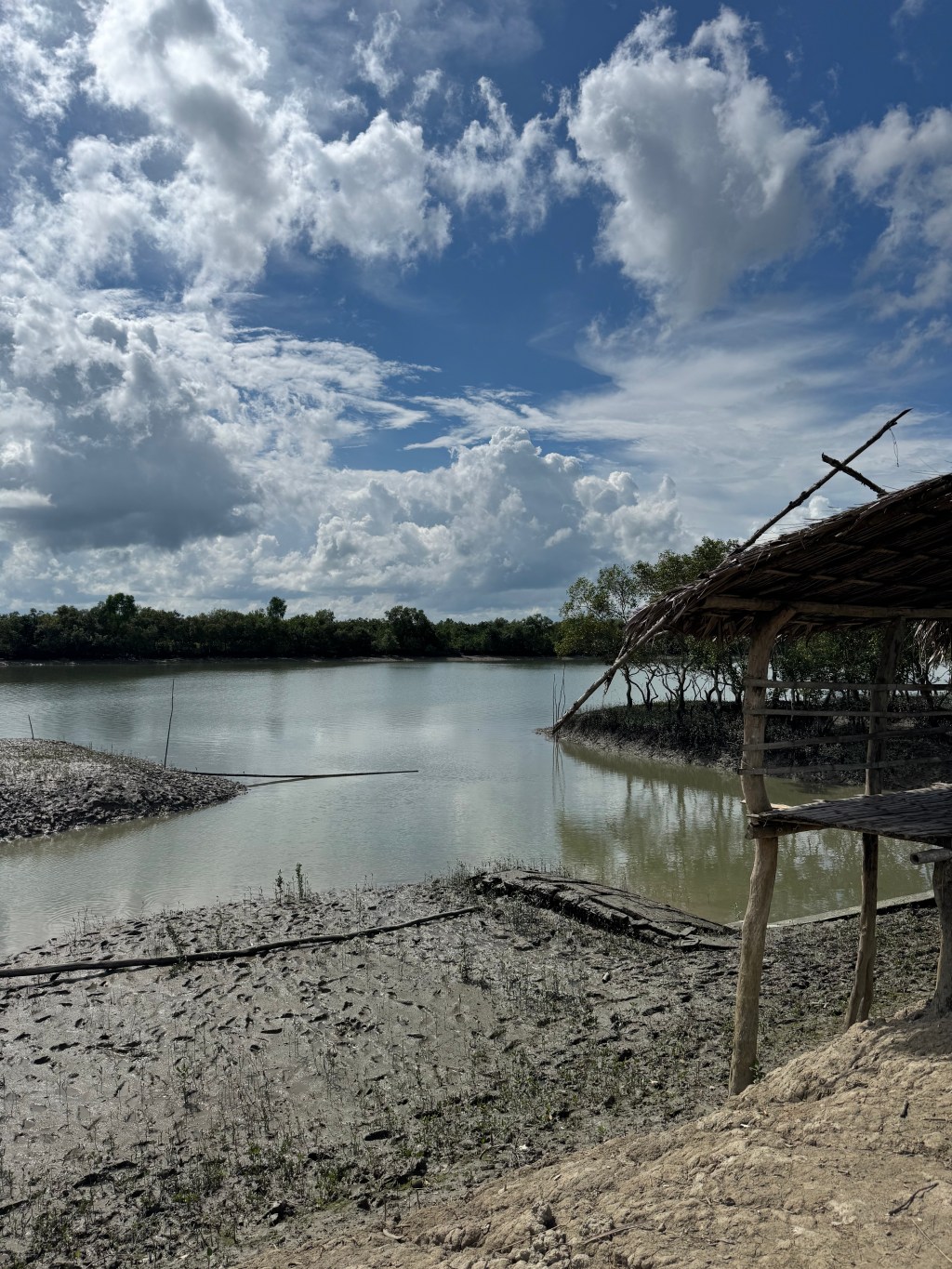
Bangladesh faces climatic threats due to its low-lying location. Individuals and communities within Bangladesh are not equally vulnerable to climate change impacts. Younger generations will bear the brunt of the climate crisis, exacerbated by persistent inequalities and marginalisation. Bangladesh, the seventh most vulnerable country to climate change, has a rapidly growing population of 45.9 million adolescents who also face a disproportionate impact from climate change.
Bangladeshi adolescents are the most vulnerable to extreme weather events in the region. Further, adolescents in more precarious social, political and economic conditions are more vulnerable to the indirect effects of the crisis such as food insecurity, economic instability, livelihood loss, early-age marriage, school drop-out, forced migration, trafficking, and physical and sexual exploitation.
Adolescents’ intersectional experiences and exposure pathways remain relatively unknown and they have not been adequately engaged in identifying and responding to their SRHR needs in the face of a climate crisis. Poor women, seen as the ‘most vulnerable’ to climate change, are usually the often the target of climate change community-based adaptation approaches yet girls and boys are routinely left out despite their disproportionate impact over the lifecourse. Currently there is little to no evidence of the experiences of these adolescents and their experiences of SRHR in new and unfamiliar settlements.
This project aims to fill critical gaps in understanding adolescent intersectional experiences, including boys’ which remains relatively unknown. This will inform inclusive policy making, agenda setting and teaching amid the backdrop of climate change.
 Care Bangladesh