
The CARE research team conducted a scoping field visit to Shyampur and Kollyanpur on 11–12 August 2025 as part of the study on climate change, migration, and adolescent sexual and reproductive health and wellbeing in urban settings. The visit aimed to map potential study sites, identify respondents and local stakeholders, and gain an initial understanding of how climate-related stressors such as heatwaves, flooding, and SRHR issues shape adolescents’ daily lives and access to services. The team held informal conversations with adolescents and young adults and observed living conditions, water and sanitation facilities, schooling environments, and available health services. These engagements provided preliminary insights into the experiences of climate migrants and their descendants in Dhaka, including gendered mobility constraints, coping strategies during extreme heat, health concerns, and gaps in institutional and community-level support. The field visit also served as an eye opener for the team, revealing the challenges of identifying climate migrants within the targeted adolescent age group. These insights later informed adjustments to the project design and site selection and highlighted the need to clearly define “climate migration” to ensure conceptual clarity and consistency in the research.
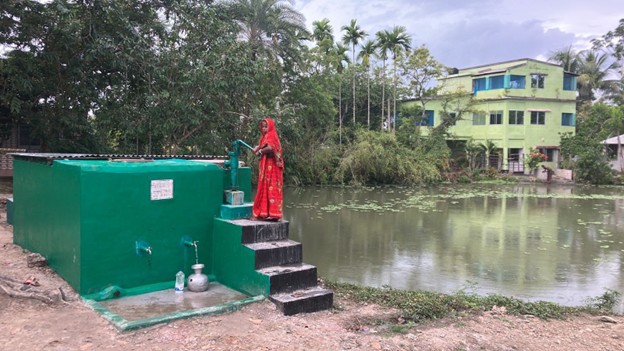
The team also conducted a scoping field visit to Satkhira from 28 to 31 October 2025. During the visit, they covered three sites: Itagacha, Shyamnagar, and Assasuni. The purpose of the scoping field visit was to finalize study sites, identify key contact persons in the field, and understand the current context of adolescent SRHR in climate-affected settings. The team conducted informal discussions with community members, program staff and field staff from BRAC and spent time in the areas to better understand local realities. These interactions offered firsthand insight into the lived experiences of people living in climate-affected settings, including everyday challenges related to increasing salinity, displacement, livelihoods, and access to SRHR services, and a general lack of services catering to adolescents SRHR needs, particularly for boys.
 Care Bangladesh